
When a camera reads your license plate, how long should a government agency be able to keep the record? Three New York State Assembly committees held a public hearing in Albany on November 9 to examine how automatic license plate readers collect data and who gets to use it. WAMC’s reporting from the hearing confirmed that lawmakers heard from the state attorney general’s office and local law enforcement.
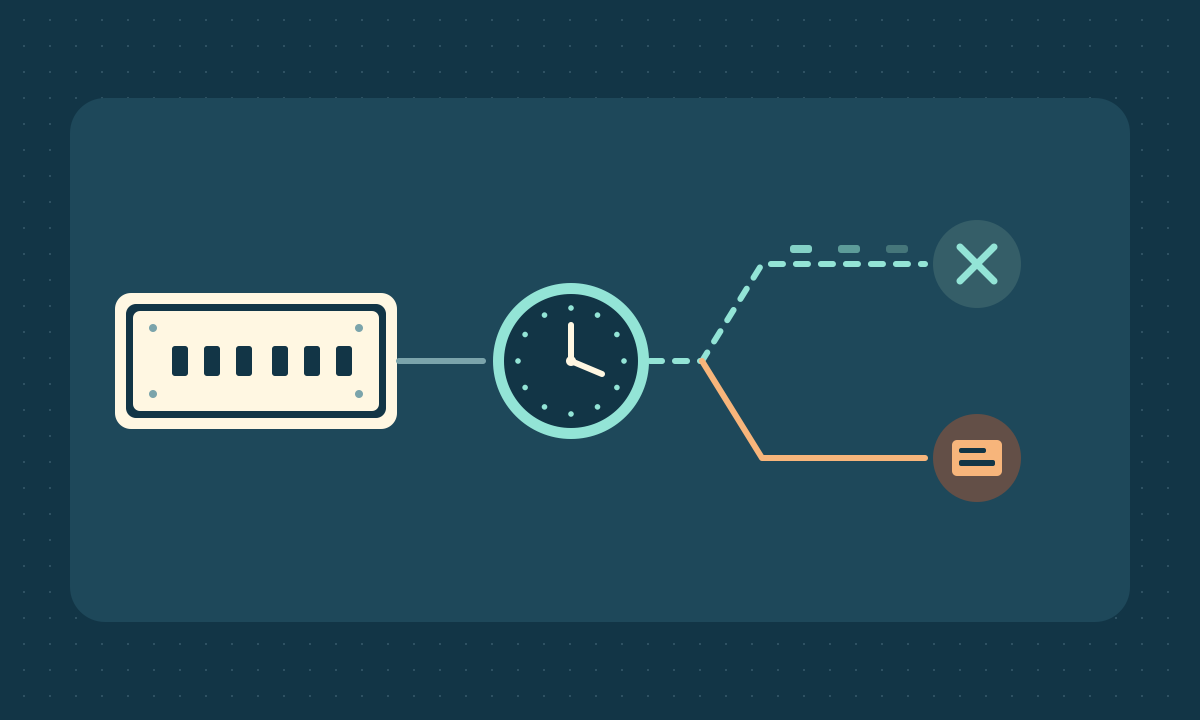
One answer is 48 hours. The amended Assembly bill A10808A would generally require a government entity to delete captured plate data within 48 hours of obtaining it. That data includes the plate number, a photograph of the vehicle, and the location, date, and time of the scan. The clock would apply to the record, not the camera: the same bill would still permit specified uses, including checking for stolen vehicles and collecting electronic tolls.
The deadline has exceptions. Under the bill’s retention section, lawfully captured data would have to be kept longer when state evidence rules require it or when defense counsel requests it in the criminal case to which it pertains. For records captured for uses listed in the bill, including parking or traffic enforcement, the text would allow retention until the fine or fee is paid or the enforcement matter is finally decided. The bill also provides exceptions for certain warrants and court orders.
The New York Civil Liberties Union’s testimony backed the bill and argued that keeping plate records for days or weeks makes it easier to reconstruct people’s movements. The distinction in the text is between keeping scans by default and keeping particular records for a specified purpose. A driver whose plate was scanned in passing could have that scan deleted within two days while a record tied to an unresolved parking violation could remain longer.
The hearing did not change the law. The legislative trackers still list A10808A in an Assembly committee and S9890A in a Senate committee. If enacted as written, the general effective date would be 30 days after the bill became law. A separate 90-day timetable, also measured from enactment, would apply to its public-records provision for plate data collected before the general effective date. Neither clock started at the hearing.